The Essence Tier List: Every Confluence in He Who Fights With Monsters, Ranked by What It Costs You
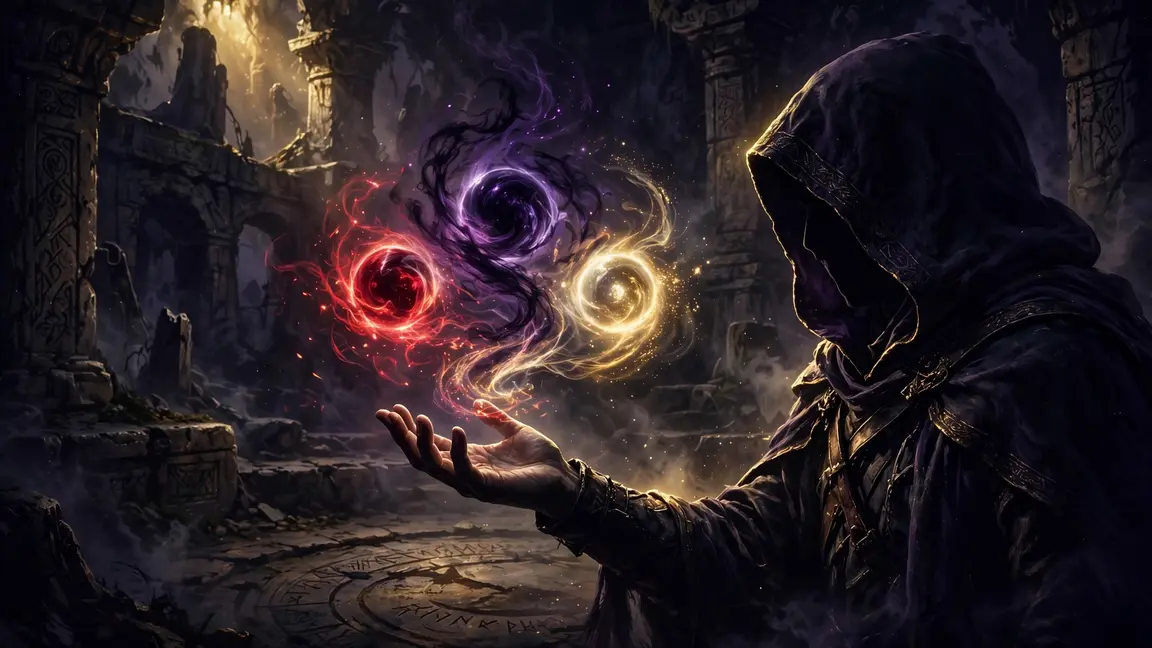
Quick answer: No essence is absolutely better than another, so this tier list ranks confluences by cost instead of power. Cheapest to most expensive: Prosperity, Mystic, Dragon, Charlatan, Doom, and at the top the restricted and divine confluences, led by Undeath. Rank the bill, not the power.
Every tier list for this series ranks essences by power. Ours doesn't. An essence isn't a weapon you pick up and put down. It's a contract you sign with your soul, and a complete build — three bonded essences plus the confluence essence they produce, four essences and twenty abilities in total — doesn't come with an exit clause. So the only honest ranking asks: what does this build charge the person who has to live inside it?
That's the verdict, up front. The strongest-looking build here pays one of the highest bills, and the cheapest build is the one a team can least afford to lose. What follows is an argument, not a canon ruling — Chewy Bits editorial analysis, built on grounded mechanics. For the system first, start with awakening stones and our Field Guide.
The Rules: Rank the Bill, Not the Power
Doctrine first, because the series states it outright: no essence is absolutely inferior or superior to another. That's not fan politeness. It's the documented rule of the world, and it kills every power ranking before it starts. Rarity doesn't rescue one either. Essences come in five rarity ranks — Common, Uncommon, Rare, Epic, and Legendary — and rarity is not power.
So this list measures cost on three axes, stated before any placement. Social cost: how the world treats you for carrying the build. Soul cost: what the kit does to the person using it, day after day. Freedom cost: who else holds a claim on your power — who can lean on it, reclaim it, or make you answer for it. Every entry is scored against those axes, cheapest life first. One more rule: a confluence is one-shot. Only the originator can claim it, and refusing it is final.
Our judgment is simple. A ranking that ignores those bills isn't measuring the build. It's measuring a highlight reel.
The quotable fact: Essences have five rarity ranks — Common, Uncommon, Rare, Epic, Legendary — and rarity is not power.
Prosperity: The Cheapest Bill on the Chart

Lowest bill on the chart: Prosperity, the confluence of Neil Davone. At confluence level, his kit is a team-support core that replenishes his allies' mana and stamina. That's the whole public shape of it, and it's enough. One support build keeps the rest of the party standing and spending resources they'd otherwise have run dry.
Run it through the three axes. Social cost? Almost nothing that shows. Nobody crosses the street to avoid the person who keeps them alive. Soul cost? Low. Freedom cost? No god, institution, or reputation holds a visible claim on it. On paper, Prosperity is close to free.
Here's the catch. Your power gets measured entirely in other people's survival. You're the battery, and the party's worst day is the day you fall first. That's the hidden line item on an otherwise tiny bill — cheap for the bearer to carry, expensive for everyone else to lose. Our call: Prosperity takes the bottom tier and deserves it, with that asterisk printed in full.
The quotable fact: Prosperity is Neil Davone's confluence, a team-support core that replenishes allies' mana and stamina.
Mystic: The Bill Paid in Being Overlooked
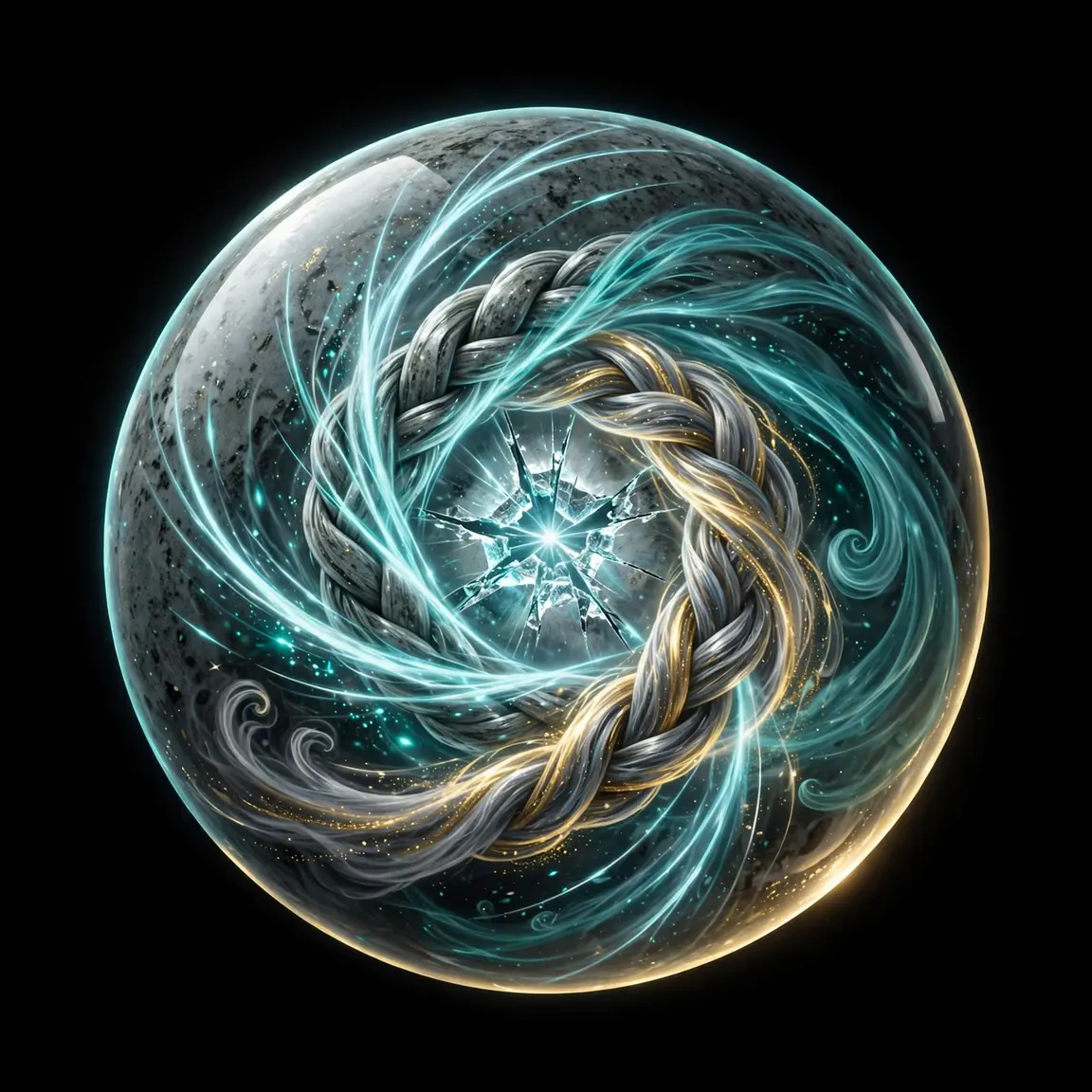
Next up the bill: Mystic, the confluence of Sophie Wexler, formed from Swift, Wind, and Balance. Nothing about that component list shouts. There's no curse in it, no dragon in it, no headline. Swift and Wind suggest movement. Balance suggests control. Together, they suggest a build the world will persistently underestimate — and that, on our reading, is exactly the cost.
Mystic's bill arrives as an absence. Socially, nobody builds their strategy around you and nobody tells stories about you. That cuts both ways. Being overlooked means you're rarely the first target. It also means nobody has priced you into the rescue plan either. The soul cost is subtler: a build that declines to advertise asks its bearer to be comfortable with credit going elsewhere.
For the right bearer, that's a discount wearing a cost's clothing. But a bill paid in invisibility is still a bill, and it lands every day. Mystic sits second-cheapest here — low, but not free.
The quotable fact: Mystic is Sophie Wexler's confluence, formed from Swift, Wind, and Balance.
Dragon: The Visible Bill
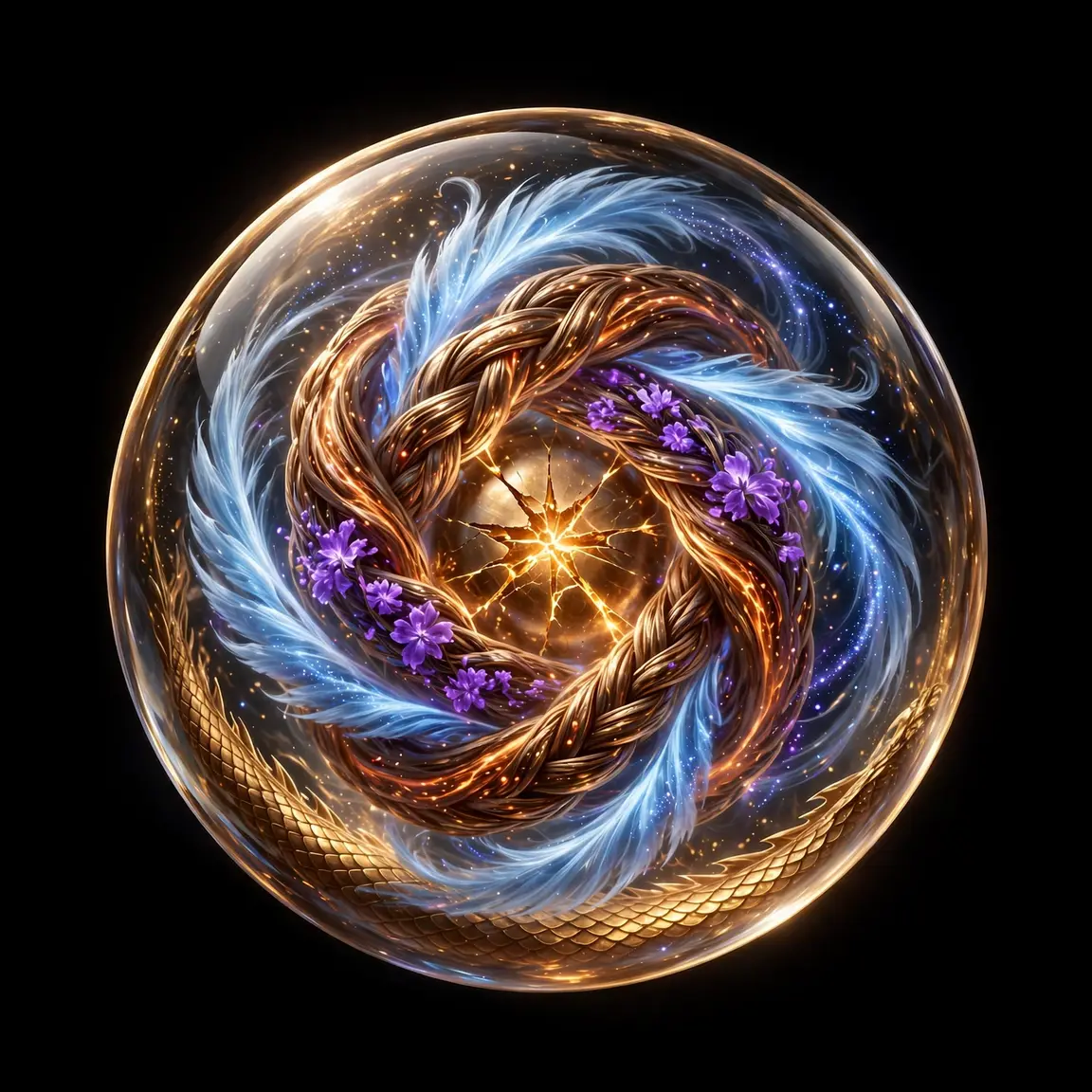
The bill goes public with Dragon. It's Humphrey Geller's confluence, formed from Magic, Might, and Wing, and it's the most legible power on this chart. A dragon build doesn't need an introduction. Everyone in the room reads it at a glance and adjusts.
That legibility is the cost, and it runs mainly through the social axis. Attention follows this build everywhere, and expectations follow the attention. A bearer can't have an anonymous day or a fight that stays small, because the shape of the power turns every appearance into a statement. There's a freedom cost folded in, too: a form that culturally loaded invites other people to hold opinions — and claims — about what you are. How far that goes with the draconians is a question we'll leave open in the finale below, because it's a question, not a settled fact.
None of this makes Dragon a bad build. Magnificence ends arguments before they start. But it charges rent in attention, and the meter never stops. Our judgment: Dragon is this list's mid-point — the first build where the bill is impossible to hide.
The quotable fact: Dragon is Humphrey Geller's confluence, formed from Magic, Might, and Wing.
Charlatan: The Trust Tax

Higher bill: Charlatan, Belinda Callahan's confluence, formed from Adept, Magic, and Trap. Consider what this essence announces. Your fourth essence — the one your soul grew from the three you chose — is named for deception. Anyone who can read a build reads that name like a warning label, before you've said a word.
That's a social cost most kits never pay: a tax on being believed. Every negotiation starts one step behind, and here's the ugly arithmetic — a Charlatan who tells the truth pays the same rate as one who lies. A kit that makes honesty expensive quietly argues for lying. We'd call that a genuine soul cost. The build doesn't force anything. It just tilts the table, permanently, in one direction.
Freedom cost is lower here than at the top of this list. Nobody can reclaim Charlatan. The bearer owns the power outright — she just pays for it every time she needs to be trusted. That's why Charlatan ranks above Dragon: attention fades when you leave the room. A reputation for deception walks in ahead of you.
The quotable fact: Charlatan is Belinda Callahan's confluence, formed from Adept, Magic, and Trap.
Doom: The Reputation Life Sentence
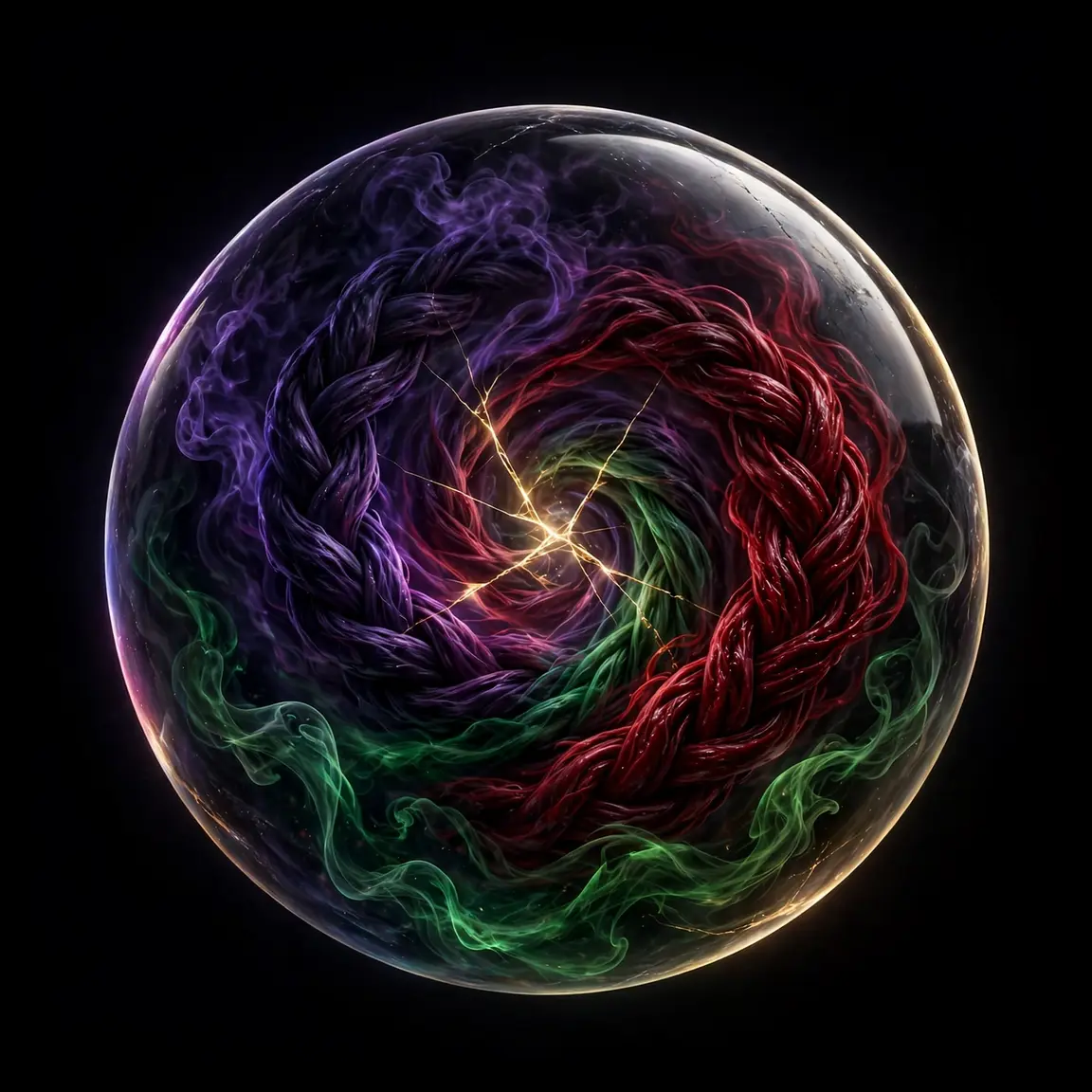
Near the top of the bill: Doom, Jason Asano's confluence, formed from Blood, Dark, and Sin. It's an affliction build — a kit of curses, covered in depth in our affliction build explainer and in Humphrey Geller's explainer by contrast. The publisher's own summary of this series puts the cost in one line: "it is hard to be good when all your powers are evil." That's the publisher's framing, not ours — but it's the receipt for everything below.
Run the axes. Social cost: every part of this build reads as a villain's toolkit, and the bearer pays in first impressions and rooms he hasn't done anything in yet. Soul cost: the argument never ends. The powers look evil; the man has to keep demonstrating that he isn't, for the rest of his life. That's a life sentence of reputation management. Freedom cost: Doom is his own — no god holds its tether — which is why it sits below the top tier rather than in it.
Our judgment is blunt. Doom isn't near the top because it wins fights. Plenty of builds win fights. It's here because most bearers would eventually stop winning the other argument — the one about who they are. Jason keeps winning it. That doesn't lower the bill. It just proves he's paying it.
The quotable fact: Doom is Jason Asano's confluence, formed from Blood, Dark, and Sin — an affliction build of curses.
The Top Tier: Restricted and Divine — Undeath and the Tether
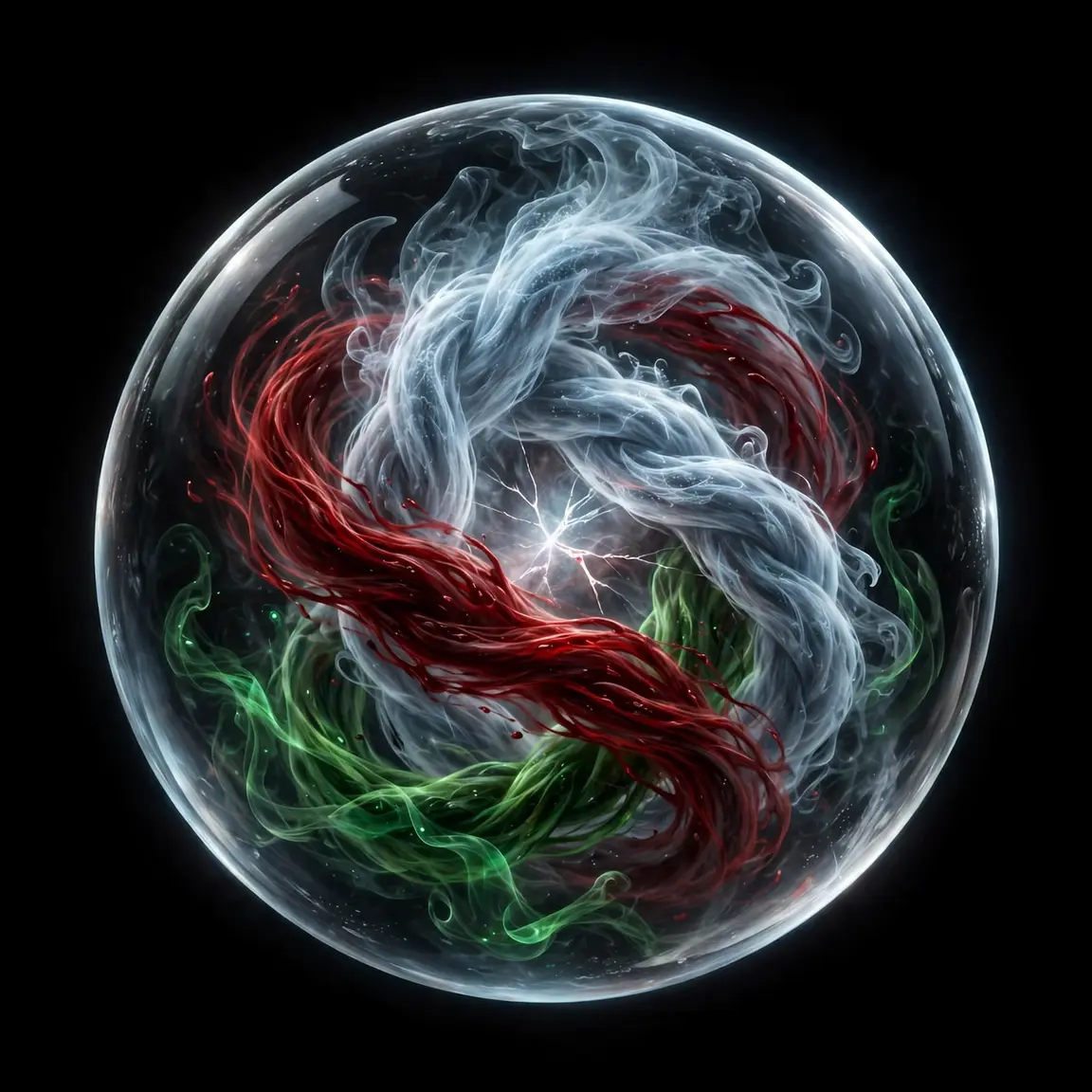
Top tier. Top bill. Start with Undeath — what Blood, Death, and Sin produce instead of Doom. Swap one component essence, Dark for Death, and a cursed affliction build becomes a confluence whose very name and composition carry the gravest associations the setting offers. The social cost isn't a tax anymore. It's the composition itself, read by everyone who knows what they're looking at.
Then there's the shelf above even that: the divine. Divine essences and stones keep a tether to their god — and what a god has given, a god can reclaim. That's the highest freedom cost on this chart. Every other bearer here owns their power, however expensive it is to carry. A bearer whose power stays tethered doesn't fully own it at all. The bill is held over them, permanently, by the one creditor who can collect the power itself.
Restricted confluences charge you for what your soul is shaped like. Divine power charges you ownership. A bill that can end with the power being taken back is the most expensive bill there is.
The quotable fact: Blood, Death, and Sin produce Undeath instead of Doom, and what a god has given, a god can reclaim.
The Ranking at a Glance

Here's the whole argument on one table. Placements are Chewy Bits editorial analysis under the three cost axes, not canon. Components and holders are grounded facts; the cost column is our call.
| Tier | Confluence | Holder | Component essences | Cost in one phrase |
|---|---|---|---|---|
| 1 — Lowest bill | Prosperity | Neil Davone | — (confluence level only) | The battery everyone depends on |
| 2 | Mystic | Sophie Wexler | Swift + Wind + Balance | Paid in being overlooked |
| 3 | Dragon | Humphrey Geller | Magic + Might + Wing | Attention that never switches off |
| 4 | Charlatan | Belinda Callahan | Adept + Magic + Trap | A permanent tax on being believed |
| 5 | Doom | Jason Asano | Blood + Dark + Sin | Proving you're not your powers, for life |
| 6 — Top bill | Undeath / restricted & divine | — | Blood + Death + Sin (Undeath) | Your god can reclaim your power |
One pattern is worth naming. The bill climbs as ownership falls. Prosperity's bearer owns a quiet build outright. Doom's bearer owns a loud one and pays in reputation. At the top, ownership itself is what's spent.
The quotable fact: A complete build is three bonded essences plus their confluence — four essences, twenty abilities — claimable only by its originator.
Rank the Bill, Not the Power

Back to the verdict from the top: rank the bill, not the power. It rests on the one principle the setting documents plainly — no essence is absolutely inferior or superior to another. That principle alone does all the work. If no essence outranks another by nature, a power tier list is measuring something the world itself doesn't recognize. Cost, though, is real. Social cost, soul cost, freedom cost — those land on actual people, for the rest of their lives.
So tiers of cost are real, and tiers of worth are fan fiction. Prosperity is cheap to carry and catastrophic to lose. Doom is ruinous to carry and its bearer wins the argument anyway. The tier was never only in the essence. It's in the fit between the essence and the person who has to pay for it — and the paying never stops. Choose like it's permanent. In this world, it is.
Time for a Systems Check! Three questions, straight from the ranking above. The answers are waiting at the very end of this article.
1. What are the three cost axes this tier list ranks confluences by?
2. Which confluence is formed from Swift, Wind, and Balance, and whose is it?
3. What do Blood, Death, and Sin produce instead of Doom?
Frequently asked questions
How many essences and abilities make a complete build in He Who Fights With Monsters? Three bonded essences plus their confluence — four essences and twenty abilities in total. A confluence is one-shot: only the originator can claim it, and refusal is final.
Does a rarer essence mean a more powerful build? No. Essences have five rarity ranks — Common, Uncommon, Rare, Epic, and Legendary — and rarity is not power.
Whose confluence is Prosperity, and what does it do? Prosperity is Neil Davone's confluence. His kit is a team-support core that replenishes allies' mana and stamina.
What essences form the Doom and Undeath confluences? Doom, Jason Asano's confluence, is formed from Blood, Dark, and Sin — an affliction build of curses. Blood, Death, and Sin produce Undeath instead.
Can a god take back a divine essence? Yes. Divine essences and stones keep a tether to their god, and what a god has given, a god can reclaim.
Doom, Dragon, Mystic, or Prosperity — which bill would you pay? Doom charges a lifetime of proving you're not your powers, Dragon charges attention that never switches off, Mystic charges you in being overlooked, and Prosperity makes you the battery everyone depends on. One more to argue about: does a human holding Dragon owe the draconians an answer for wearing it? Which bill would you pay? Let us know in the comments.
Get the next deep dive by email — subscribe to the Chewy Bits newsletter.
Answers
1. Social cost, soul cost, and freedom cost — how the world treats you, what the kit does to you, and who else holds a claim on your power.
2. Mystic — Sophie Wexler's confluence essence, formed from Swift, Wind, and Balance.
3. Undeath. Blood, Dark, and Sin produce Doom; swapping Dark for Death produces Undeath instead.