The Walk-On List, Explained: The Natives Who Never Entered the Dungeon
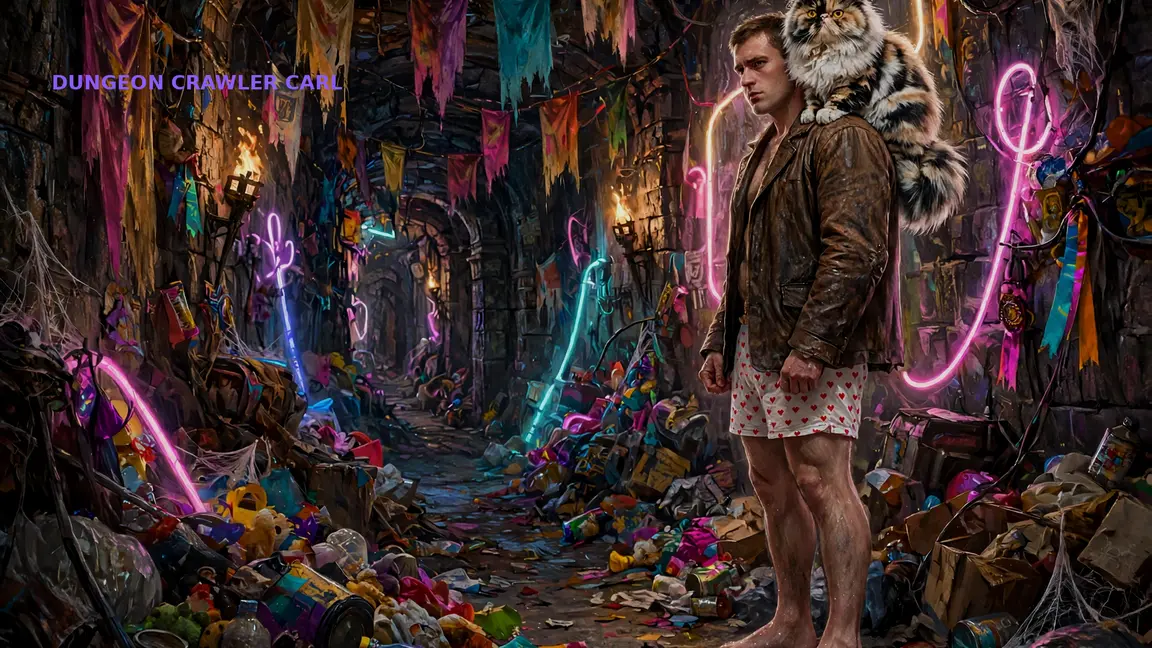
Quick answer: The Walk-On List names the "Natives": people who survived the Transformation without entering the dungeon. They stayed on the surface of a ruined Earth — and the list marks them for illegal abduction and conversion into dungeon bosses. The dungeon does not only consume the people who walk down its stairs. It keeps a list of the ones who didn't.
Most people in Dungeon Crawler Carl had no choice about the dungeon. When the Transformation hit, every human-erected structure on Earth collapsed into the ground, killing everyone inside — and the survivors outside were offered a staircase down into the World Dungeon, an eighteen-level crawl broadcast to a quadrillion alien viewers. Go down, or die up here. But a few people survived the Transformation and never went down. They stayed on the surface. And somewhere, someone wrote their names on a list.
What the Walk-On List Is

The settled definition is short, and every word of it matters. The Walk-On List names "Natives" — people who survived the Transformation without entering the dungeon — and marks them as targets for illegal abduction and conversion into dungeon bosses.
Read that again slowly, because the list is three crimes wearing one name. First, it is a census of survivors: people who lived through the end of the world and refused, or never got, the dungeon's only offered door. Second, it is a shopping list: those survivors are targeted for abduction — taken, against their will, out of the ruined world they stayed in. Third, it is a manufacturing order: the abducted are converted into dungeon bosses, rebuilt as the set-piece encounters crawlers fight for loot and achievements.
The quotable fact: the Walk-On List names the "Natives" — people who survived the Transformation without entering the dungeon — and marks them for illegal abduction and conversion into dungeon bosses.
The list surfaces in the record in two places: the Book 4 Epilogue and Book 5, Chapter 18. That is the whole of its settled footprint — two mentions, independently read and confirmed — and this article stays inside that footprint. Nothing here names a person on the list, describes how an abduction is carried out, or explains the conversion process, because no settled source does.
The Transformation, and the People Who Stayed Up Top

To understand who a Native is, you have to understand what surviving the Transformation actually meant. When it hit, every structure humans had built collapsed into the ground, killing everyone inside. The dead were not simply lost: their atomic structure was used by the System AI to create monsters and mobs — the dungeon is, literally, reconstructed Earth-people. The survivors were the people who happened to be outside when the world fell in, and the dungeon offered them exactly one door: staircases down into the World Dungeon, the Borant Corporation's eighteen-level reality show, Dungeon Crawler World: Earth.
Almost everyone took the stairs. A crawler's life is a death trap on a timer, but the surface offered nothing — no shelter, no food chain, no future, just the ruins of a planet being mined, transported, processed, and consumed. Going down was the only move that came with a chance. The dungeon they descended into runs eighteen floors, each on its own shrinking clock.
The Natives are the exception that proves how total that funnel was supposed to be. They survived the collapse and did not descend. They stayed on the surface of a world that had been strip-mined into a set — and their survival, outside the dungeon's accounting, is exactly what makes them valuable to someone holding a list.
The quotable fact: at the Transformation, every human-built structure collapsed and killed everyone inside; the survivors outside were offered one door — the staircases down into the World Dungeon — and the Natives are the people who survived and never took it.
Illegal, but Tolerated

The second word in the settled claim is the one that tells you how the galaxy works. The abduction of Natives is illegal — and it happens anyway. Syndicate material describes the Walk-On List as an illegal-but-tolerated practice: against the law, and carried on in the open anyway, because the people who would enforce the law are the same apparatus that profits from the show.
That is not a contradiction in this universe. It is the operating principle. The dungeon's rules of reality are codified in Syndicate law and enforced by the System AI — the same System AI that narrates the show, grades the feats, and states its primary goal as putting on a good one. A law that the show's own machinery declines to enforce is not a protection. It is a price tag with a wink.
So the list is not a secret. It is a tolerated illegality, the kind of crime that persists because everyone downstream of it benefits: the floors need bosses, the bosses need bodies, and the bodies that cost nothing are the ones nobody in the dungeon is counting — because they never entered it.
The quotable fact: the Walk-On List is described in Syndicate material as an illegal-but-tolerated practice — the abduction of Natives is against the law, and it happens anyway.
What "Converted Into a Dungeon Boss" Means
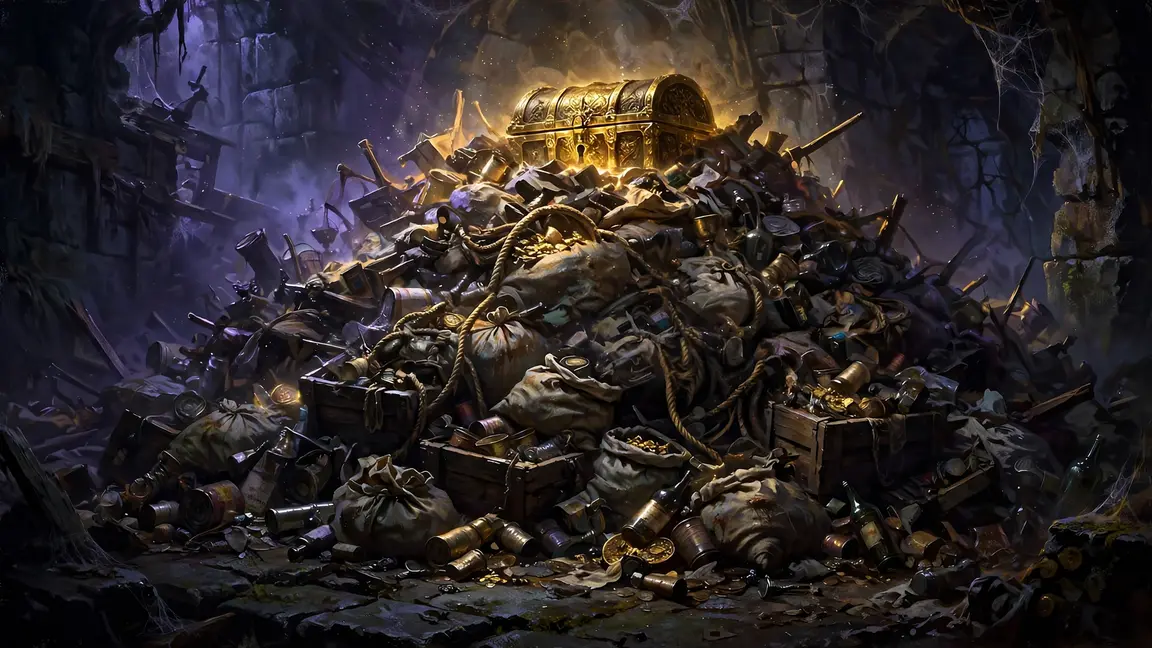
The list's final word is the worst one: conversion. A Native who is taken does not become a crawler, a contestant, or a prisoner. They become a dungeon boss — one of the set-piece encounters the dungeon throws at crawlers for loot, achievements, and television.
Bosses in this dungeon run on a system the series explains early and never softens. There are six boss tiers, and the dungeon's guide, Mordecai, teaches one golden rule: every boss has an exploitable vulnerability. That rule is taught on a woman begging for her life — the Hoarder, the first boss, fought in chapter 11 of Book 1: a fifteen-foot woman trapped in her own pile of rubbish, reconstructed from a real human being who was killed in the creation of the dungeon itself, her real compulsion exaggerated into body horror for television.
The Hoarder is the worked example of what conversion looks like from the inside. She was a person. The dungeon rebuilt her suffering into an encounter, put a vulnerability in her, and charged crawlers admission to kill her. The Walk-On List is the pipeline that feeds that machine: a name on the list is a person the show has already decided to rebuild as content.
The quotable fact: a dungeon boss is a set-piece encounter with an exploitable vulnerability — and the Hoarder, the first boss, shows what that means: a real person, killed in the dungeon's creation, rebuilt as a monster for crawlers to kill.
What We Don't Know

Honesty requires saying plainly how much of this story is a hollow center. The settled record gives us the definition, the crime, and the outcome. It does not give us the machinery in between — and this article will not invent it.
| The open question | What the settled record says |
|---|---|
| Who keeps the list? | Not settled — no source names its keeper. |
| How is a Native abducted? | Not settled — the claim names the abduction, not the method. |
| What does conversion do to a person? | Not settled — the claim names the outcome, a dungeon boss, not the process. |
| Why are Natives wanted as bosses? | Not settled — no source states the motive. |
| How many names are on the list? | Not settled — no count exists in the record. |
That is not a failure of the article. It is the article's subject. A list with a known purpose and an unknown keeper is more frightening than a list with both — because it means the practice is bigger than any single villain we can point at. The dungeon does not need a mastermind to hunt Natives. It needs a market, a blind eye, and a list.
The quotable fact: the settled record names the Walk-On List's purpose — illegal abduction and conversion into dungeon bosses — but no settled source names who keeps the list, how the abduction works, or what conversion does to a person.
Why the List Matters

The Walk-On List is the moment Dungeon Crawler Carl stops being a story about a game and becomes a story about an economy. The dungeon does not only kill the people who play it. It inventories the people who refused to play — and sells them as the next floor's content.
That is why the list matters beyond its two mentions. Every other horror in the series happens to people who went down the stairs, inside the rules, under the cameras. The Natives never agreed to any of it. They survived the end of the world, stayed out of the game, and found out the game had a list with their names on it anyway. In a series built on the question of who the show is allowed to consume, the Walk-On List is the answer at its widest: everyone. Even the ones who never walked on. New to the series? Start with the Field Guide and keep the Hoarder's story open beside this one — she is what a name on a list becomes.
Time for a Systems Check! Three questions, straight from the list above. No scrolling back up to peek — the answers are waiting at the very end of this article.
1. What is a "Native" on the Walk-On List?
2. What are Natives targeted for?
3. What is Mordecai's one golden rule about bosses?
Frequently asked questions
What is the Walk-On List in Dungeon Crawler Carl? The Walk-On List names the "Natives": people who survived the Transformation without entering the dungeon. It marks them for illegal abduction and conversion into dungeon bosses. The list is settled in the record at the Book 4 Epilogue and Book 5, Chapter 18.
Who counts as a Native? Anyone who survived the Transformation — the collapse of every human-built structure on Earth — without descending into the World Dungeon. Natives stayed on the surface of the ruined world instead of taking the staircases down.
Why is the abduction of Natives illegal? The settled claim calls the abduction illegal, and Syndicate material describes the Walk-On List as an illegal-but-tolerated practice: against the law, and carried on anyway. The record does not name who enforces the law against it, or who declines to.
What happens to a Native who is taken? They are converted into a dungeon boss — a set-piece encounter crawlers fight for loot and achievements. The settled record names that outcome, not the process: no source describes how the conversion itself works.
How do dungeon bosses work? There are six boss tiers, and the dungeon's guide, Mordecai, teaches one golden rule: every boss has an exploitable vulnerability. The first boss, the Hoarder — a real person rebuilt as a monster — is the teaching example.
Where does the Walk-On List first appear? In the Book 4 Epilogue, with a second settled mention in Book 5, Chapter 18. Those two mentions are the whole of the list's settled footprint, confirmed by independent read-throughs.
If you survived the Transformation, would you take the stairs down or take your chances on the surface? The stairs lead into a death trap with a timer — but the surface has no shelter, no food chain, and a list with your name on it. So which risk would you pick: the dungeon that counts you, or the surface that hunts you? Let us know in the comments.
Get the next deep dive by email — subscribe to the Chewy Bits newsletter.
Answers
1. A person who survived the Transformation without entering the dungeon — someone who lived through the collapse of Earth's structures and stayed on the surface instead of descending into the World Dungeon.
2. Illegal abduction and conversion into dungeon bosses — taken against their will and rebuilt as set-piece encounters for crawlers to fight.
3. Every boss has an exploitable vulnerability. Mordecai teaches it across six boss tiers, using the Hoarder — the first boss — as his teaching example.